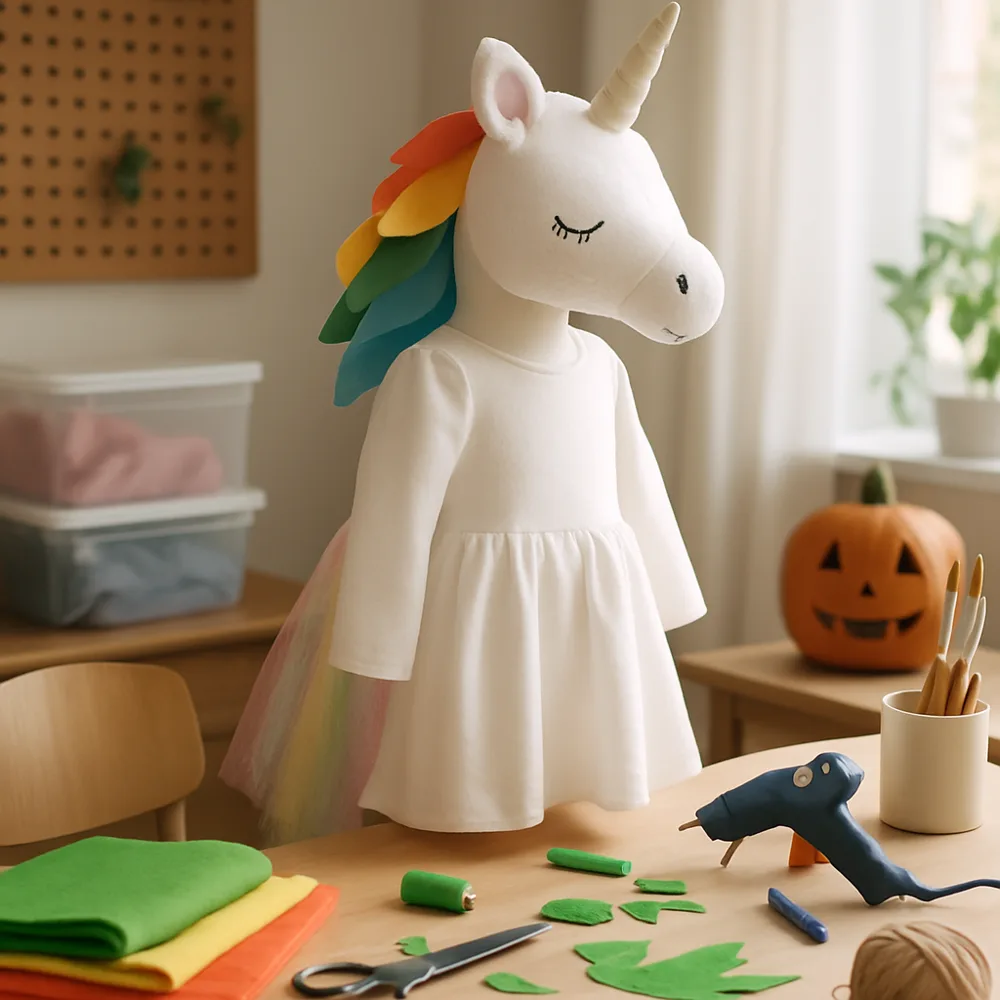
An accessible costume begins with the wearer's preferences and practical needs, not with a standard idea of how a costume should look. Ask which fabrics, fits, and accessories feel comfortable, and whether the wearer wants help getting dressed. A character can be represented through color, a distinctive collar, a badge, or one familiar prop rather than a full outfit. Adapt the design to the person's daily equipment and movement instead of treating those needs as obstacles.
Closures can make a major difference in how easy a costume is to put on and take off. Consider wide openings, front fasteners, soft elastic, magnetic closures when appropriate, or removable layers. Avoid tight neck openings and accessories that interfere with mobility devices, hearing equipment, or sensory comfort. Test the costume while seated as well as standing, and check that hems, capes, and straps stay clear of wheels and walking aids.
Plan for the actual event, including temperature, duration, rest breaks, and access to changing spaces. Keep important items reachable and make decorative pieces removable if they become uncomfortable. A short trial at home can reveal rubbing or fastening problems before the event. Most of all, let the wearer decide what success looks like. A comfortable partial costume chosen with care can be more meaningful than an elaborate outfit that limits participation.