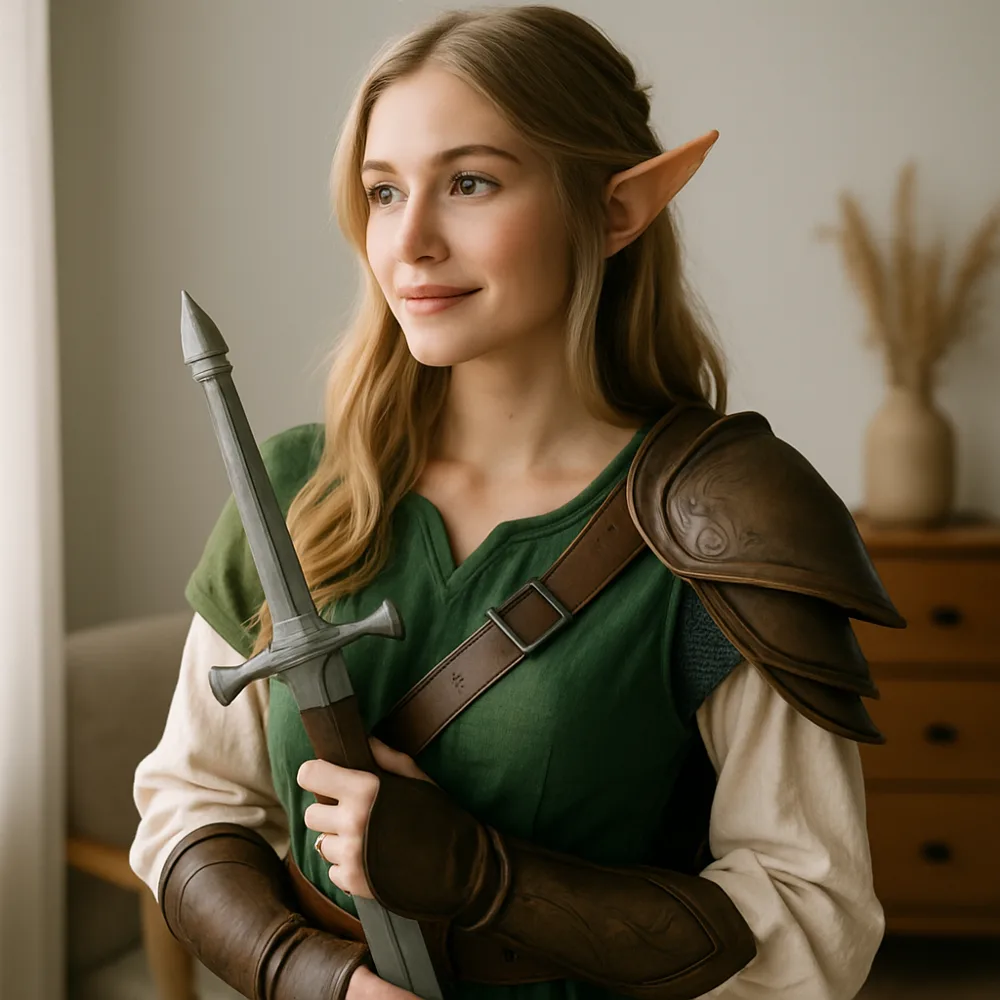
Heat can change how a costume feels after only a short time outdoors, so begin with breathable pieces close to the skin. Cotton, linen, and lightweight blends can be useful for simple base layers, while loosely woven fabrics allow more air to move. Dark, heavy layers may suit a character perfectly, but consider limiting them to areas that define the look rather than covering the entire outfit.
Use accessories to suggest extra layers without wearing them continuously. A removable cape, overshirt, or scarf can be taken off during a break and added back for photos. Open-front garments and unlined vests can create the impression of a complex costume with less insulation. Choose secure closures that are easy to operate, and test them while walking so pieces do not slip or drag.
Plan the costume around shade, water breaks, and the length of the event. Avoid materials that become uncomfortable when damp, and keep makeup simple enough to touch up without rebuilding the whole look. Check event guidance for restrictions on props and costume coverage. Most importantly, treat overheating, dizziness, or unusual discomfort as a reason to pause, cool down, and adjust the outfit.