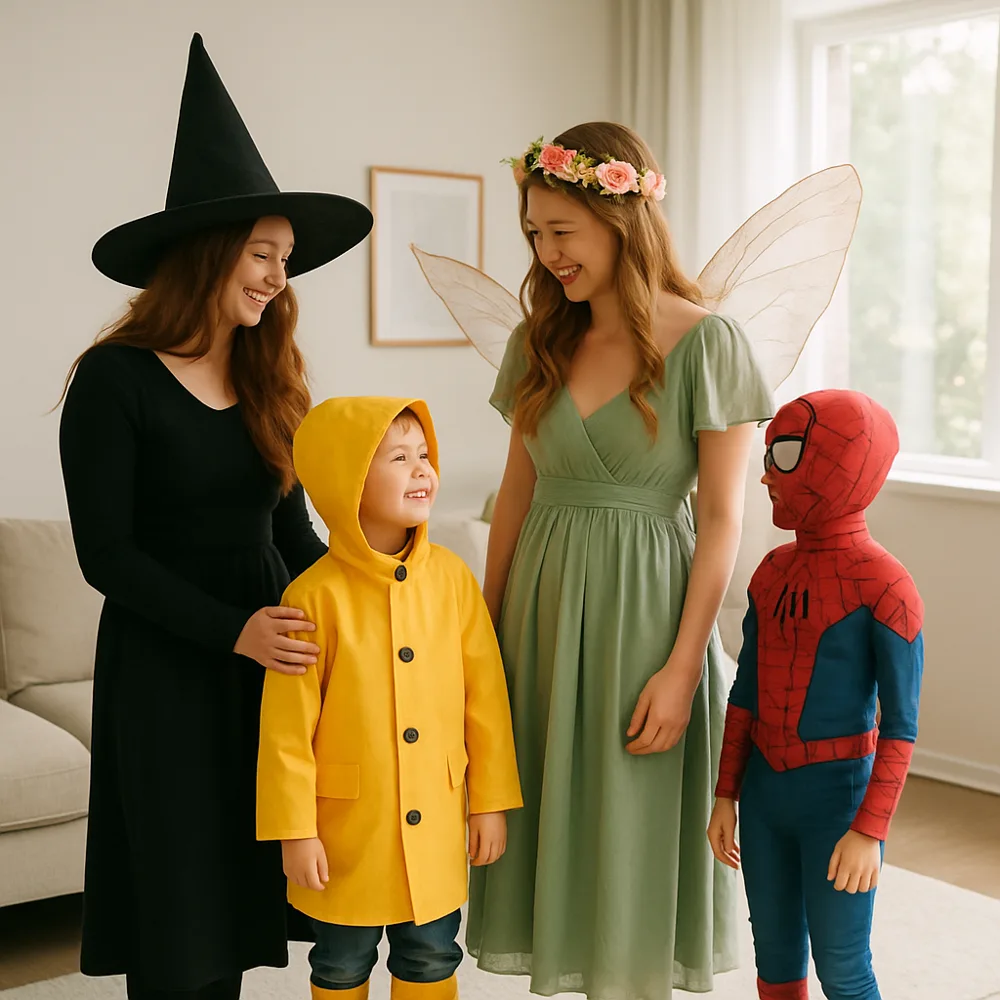
Fabric choice affects how a costume looks, moves, and feels after hours of wear. Think first about the event: an outdoor parade may call for breathable, washable materials, while a short indoor performance may allow more structure. Check how the fabric drapes and whether it stretches in the directions your body needs. A garment can match a reference closely yet still be difficult to walk, sit, or reach in.
Compare fabric weight with the layers beneath it and the season. Lightweight cloth can make a warm-weather costume easier to wear, while a heavier outer layer may be useful in cool conditions. Test a small sample if you plan to paint, glue, or sew decorations onto it. Some surfaces accept details more readily than others, and a scrap test can reveal unexpected stiffness, color change, or fraying before it affects the whole project.
Consider care and durability before committing. Read labels, check whether a material wrinkles easily, and think about how it will be cleaned and stored. If the costume will be worn repeatedly, reinforce high-stress seams and choose closures that can be repaired. Keep comfort in view during fittings, not just at the end. A fabric that lets you move naturally and care for the garment safely is often a better choice than one that only looks right on a hanger.